Brampton East Homes for Sale
The city's established east-central belt — brick bungalows and back-splits on grown-in streets, a short hop from Chinguacousy Park and the downtown GO line.
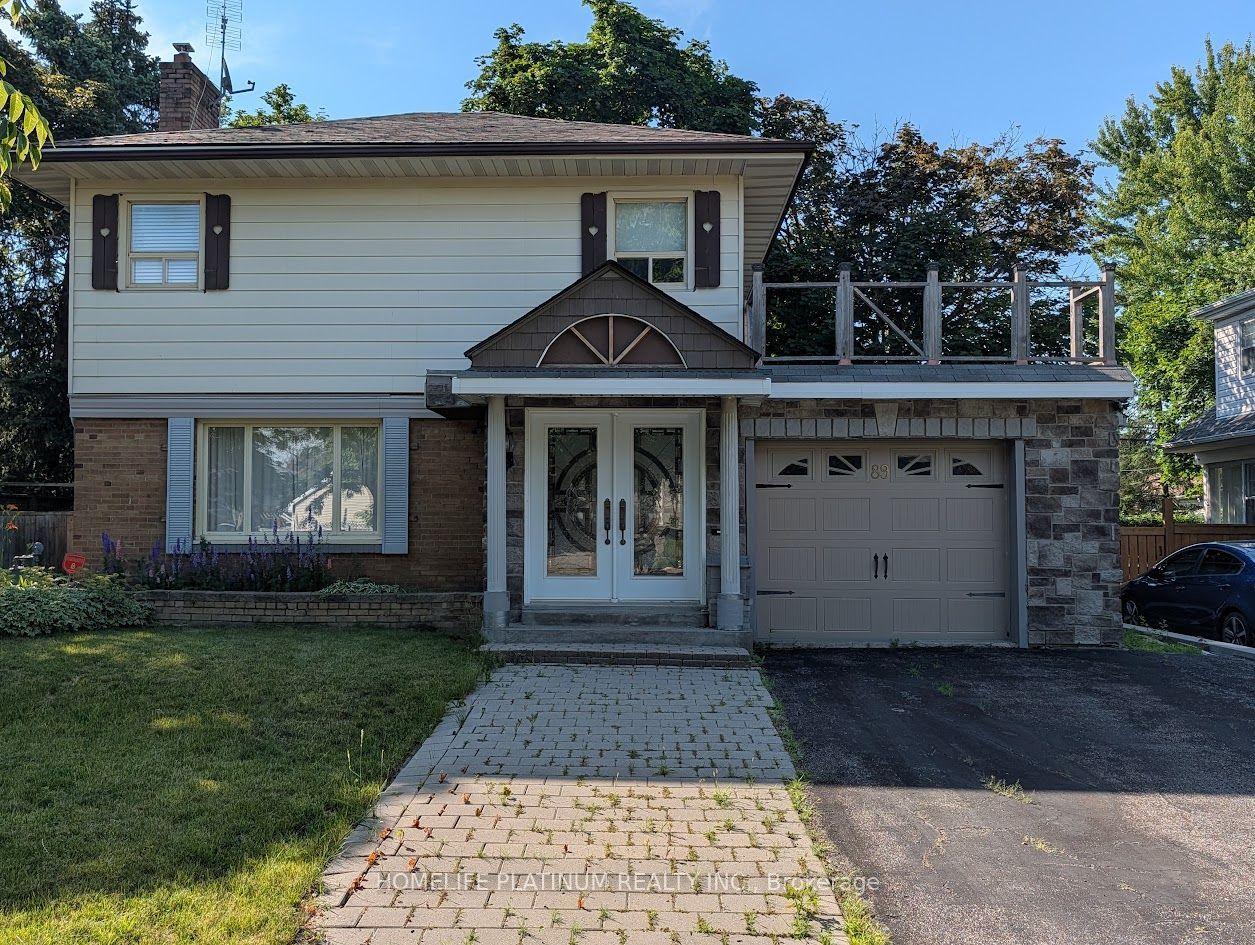
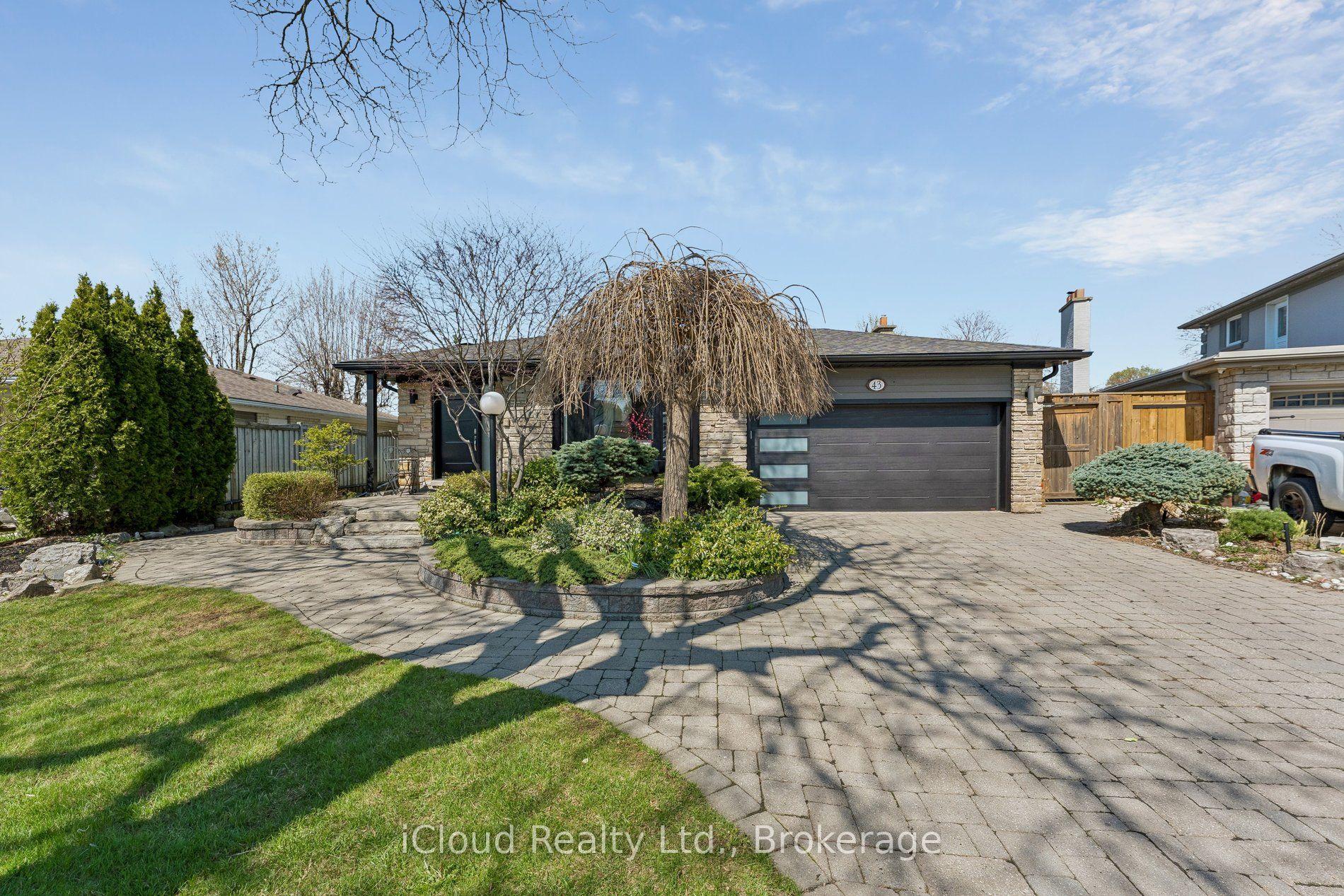
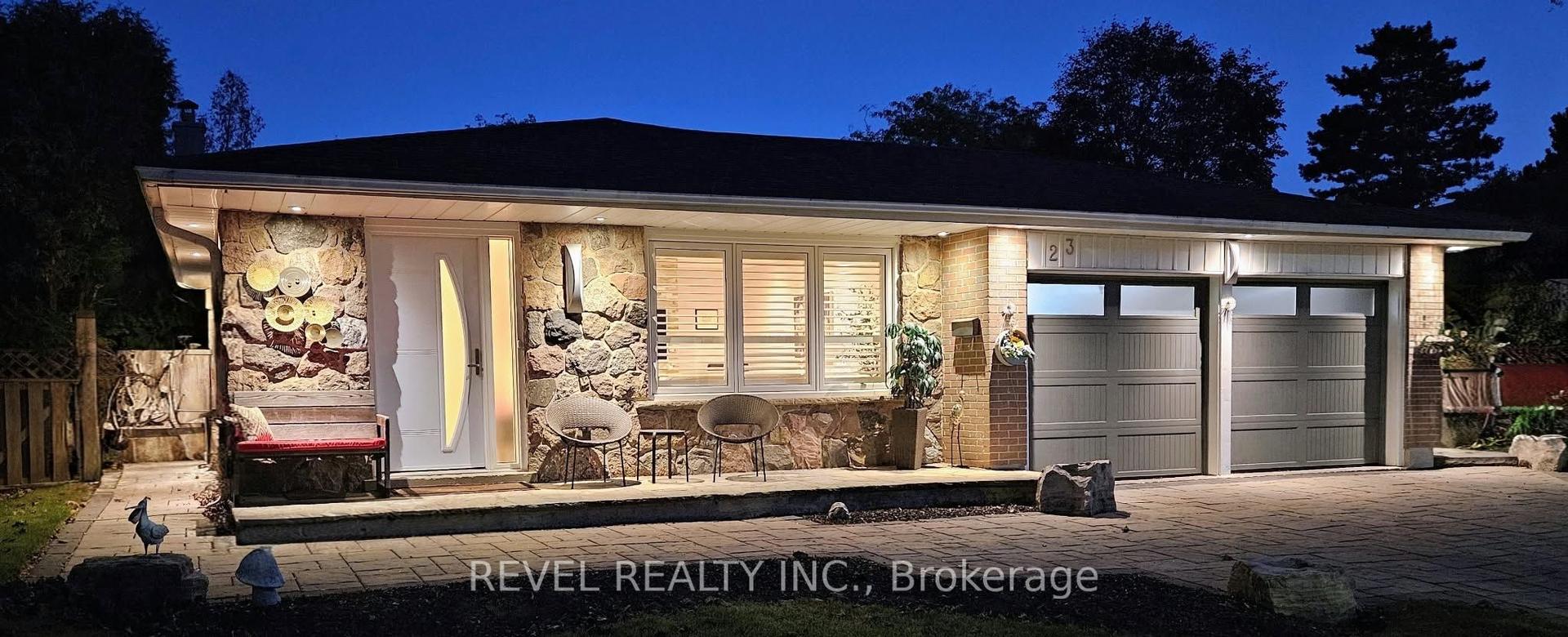
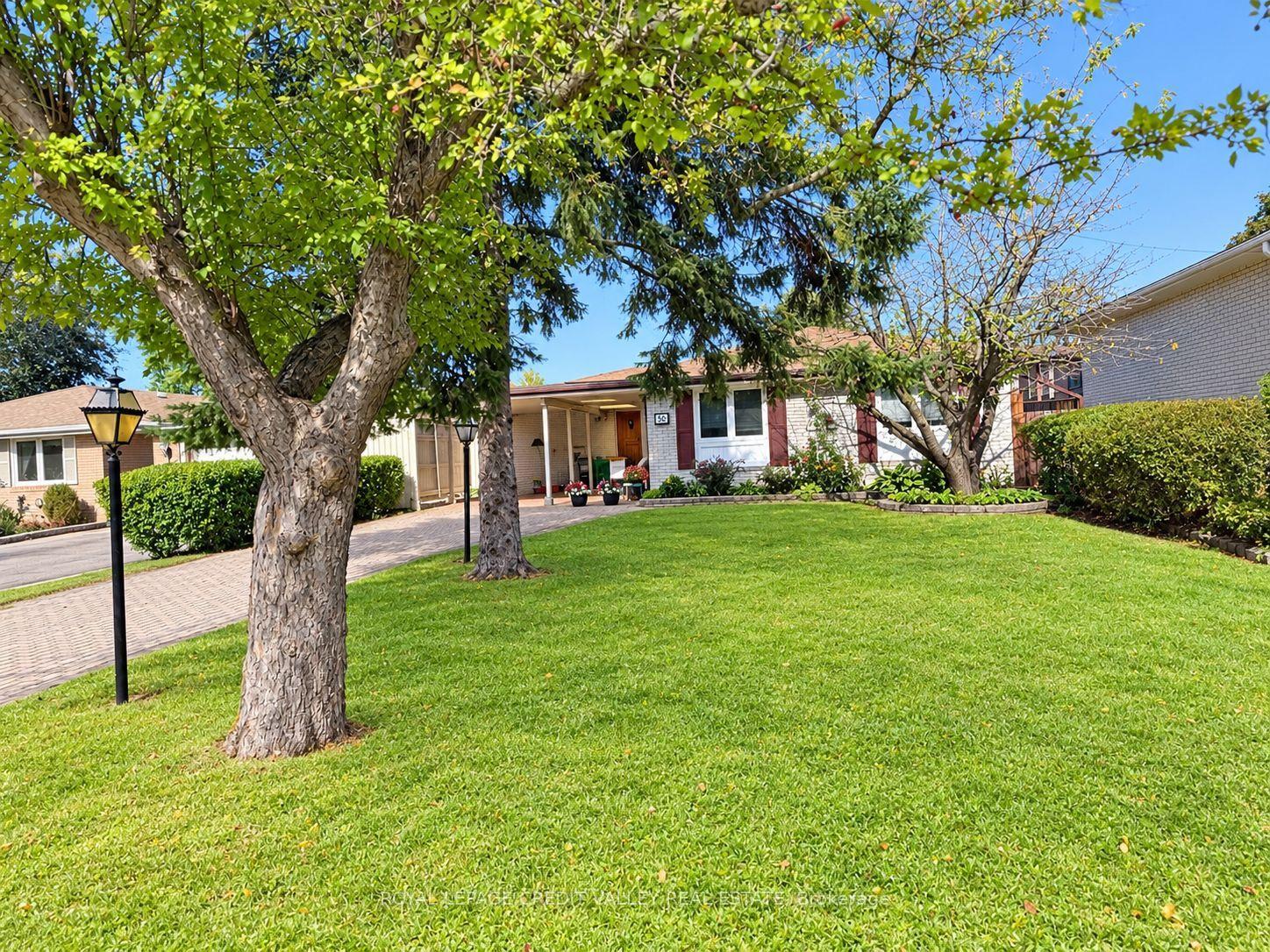
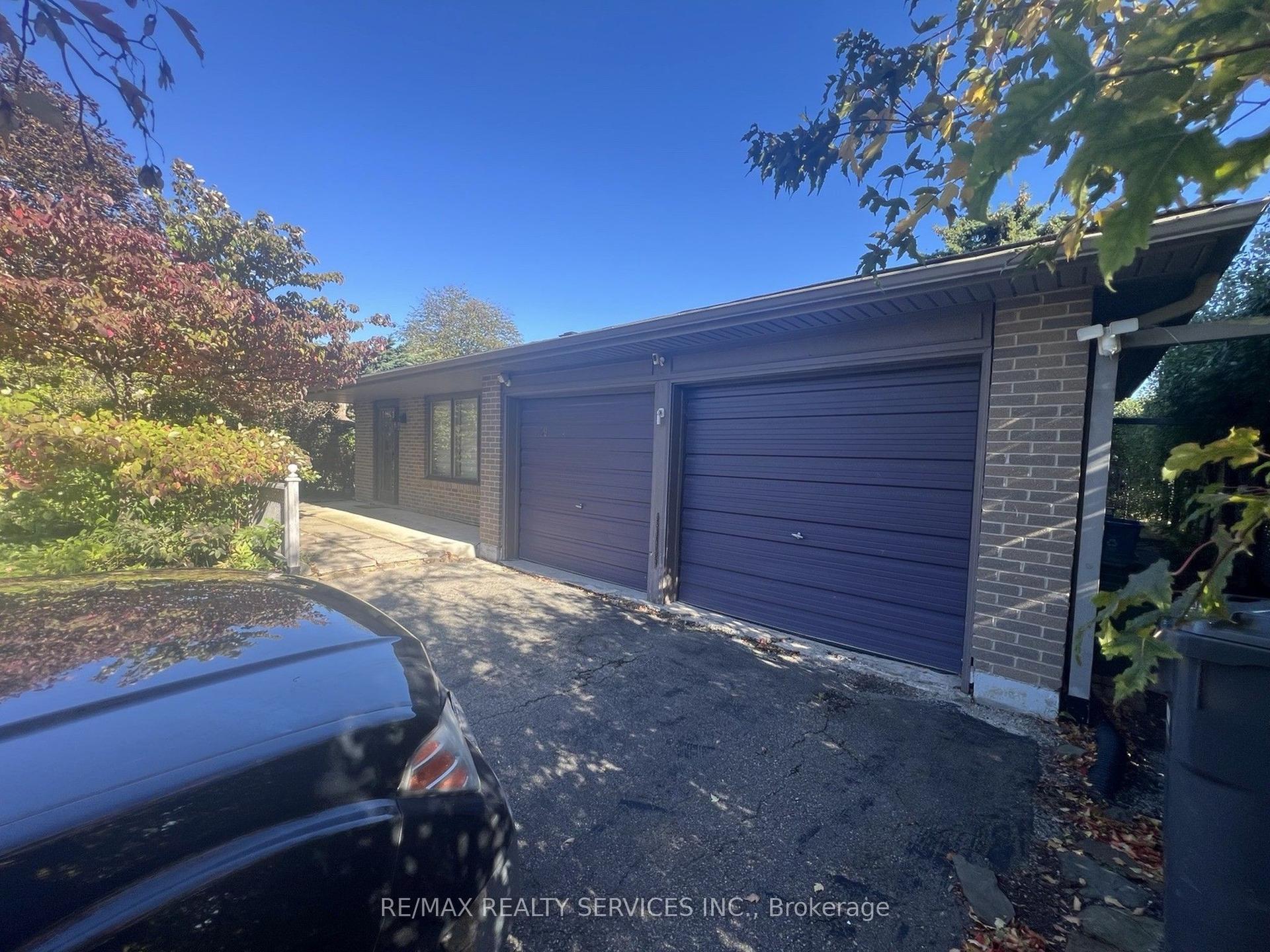
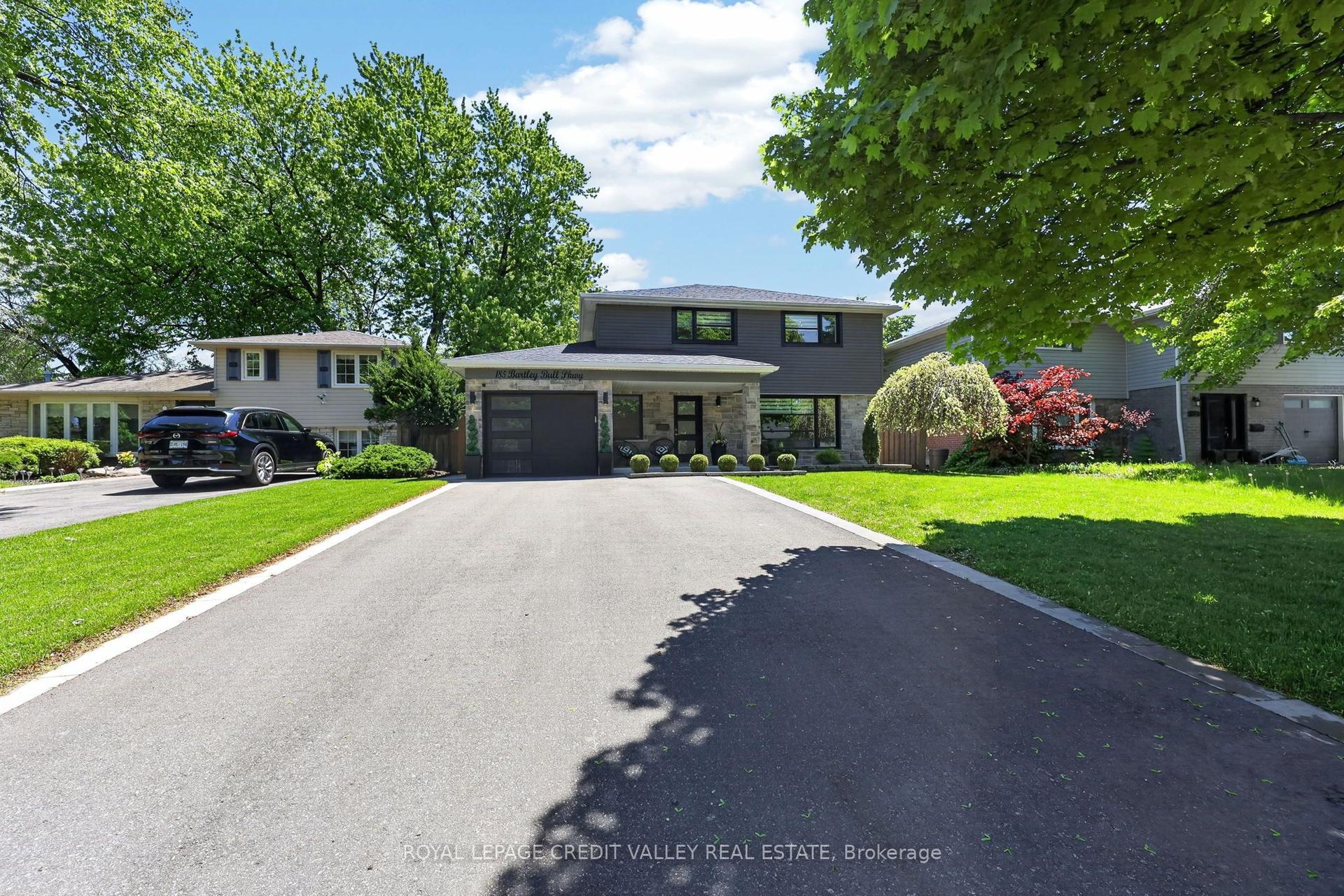
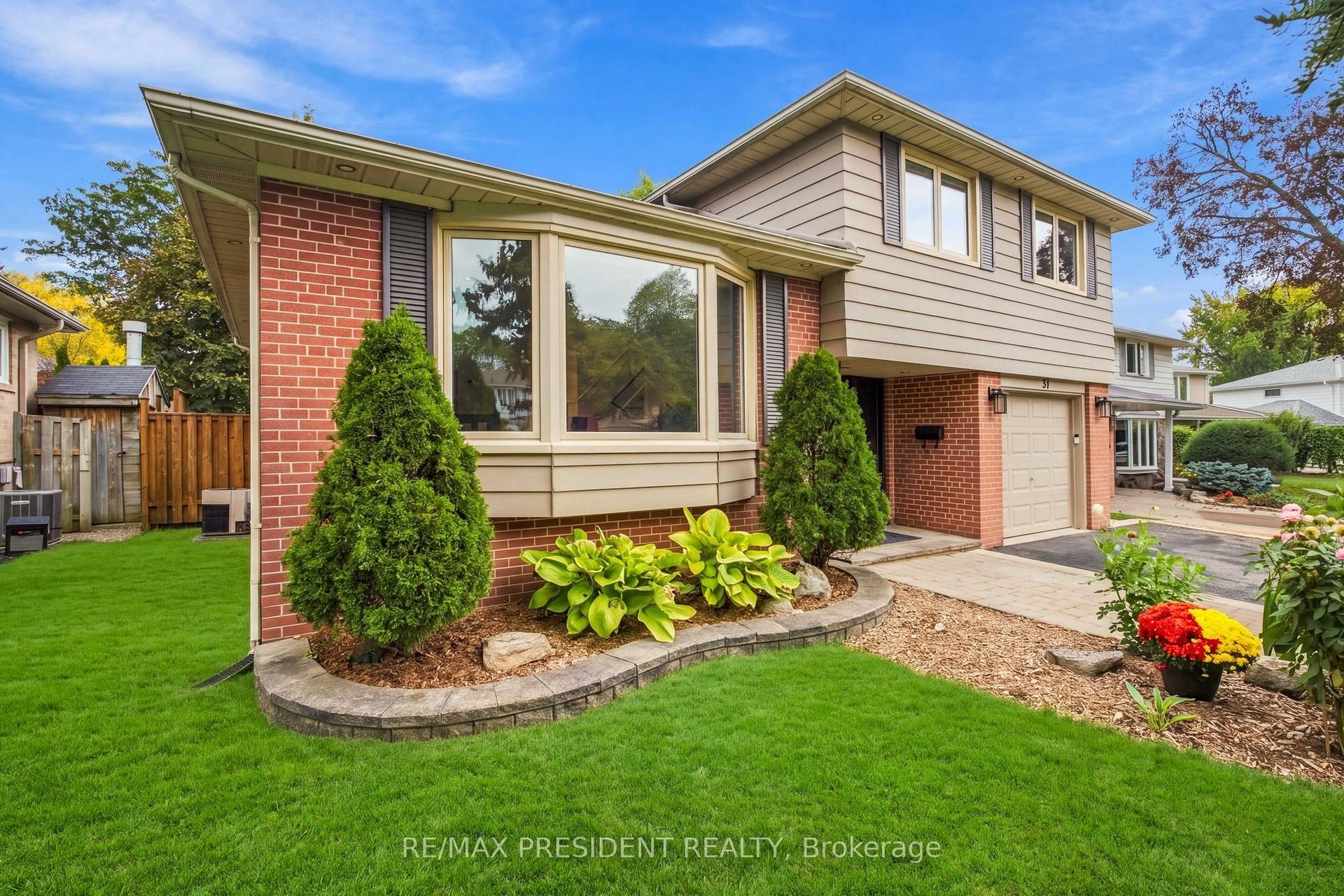
Brampton East is the settled ground between the heritage downtown and the planned grid of Bramalea — the stretch east of Kennedy Road where the city filled in through the 1960s, '70s and '80s. Expect the housing vocabulary of that era: solid brick bungalows, raised ranches, and side-split and back-split family homes on generous, tree-lined lots, with the occasional two-storey infill. It reads nothing like the master-planned corners on the city's outer edge, and that is precisely its appeal.
This is a neighbourhood that people move to for space and location rather than square footage on paper. Lots run wide, driveways are deep, and mature canopy shades most streets — the kind of established character a new subdivision cannot manufacture. Chinguacousy Park, the city's marquee green space with its greenhouse, ski hill and pond, sits within easy reach, and the downtown Brampton GO and Züm bus rapid transit corridors put a car-free commute genuinely on the table.
The grid below is live — every active Brampton East listing in the TRREB feed as it stands today.
Why buyers search Brampton East
- Mature, wide lots with grown-in canopy — an established-street feel
- Bungalows and back-splits with renovation and addition upside
- Chinguacousy Park and Professor's Lake amenities close at hand
- Downtown Brampton GO and Züm BRT within a short reach for transit commuters
- Central location — quick to the 410 and to Bramalea's shopping spine
Active Brampton East listings
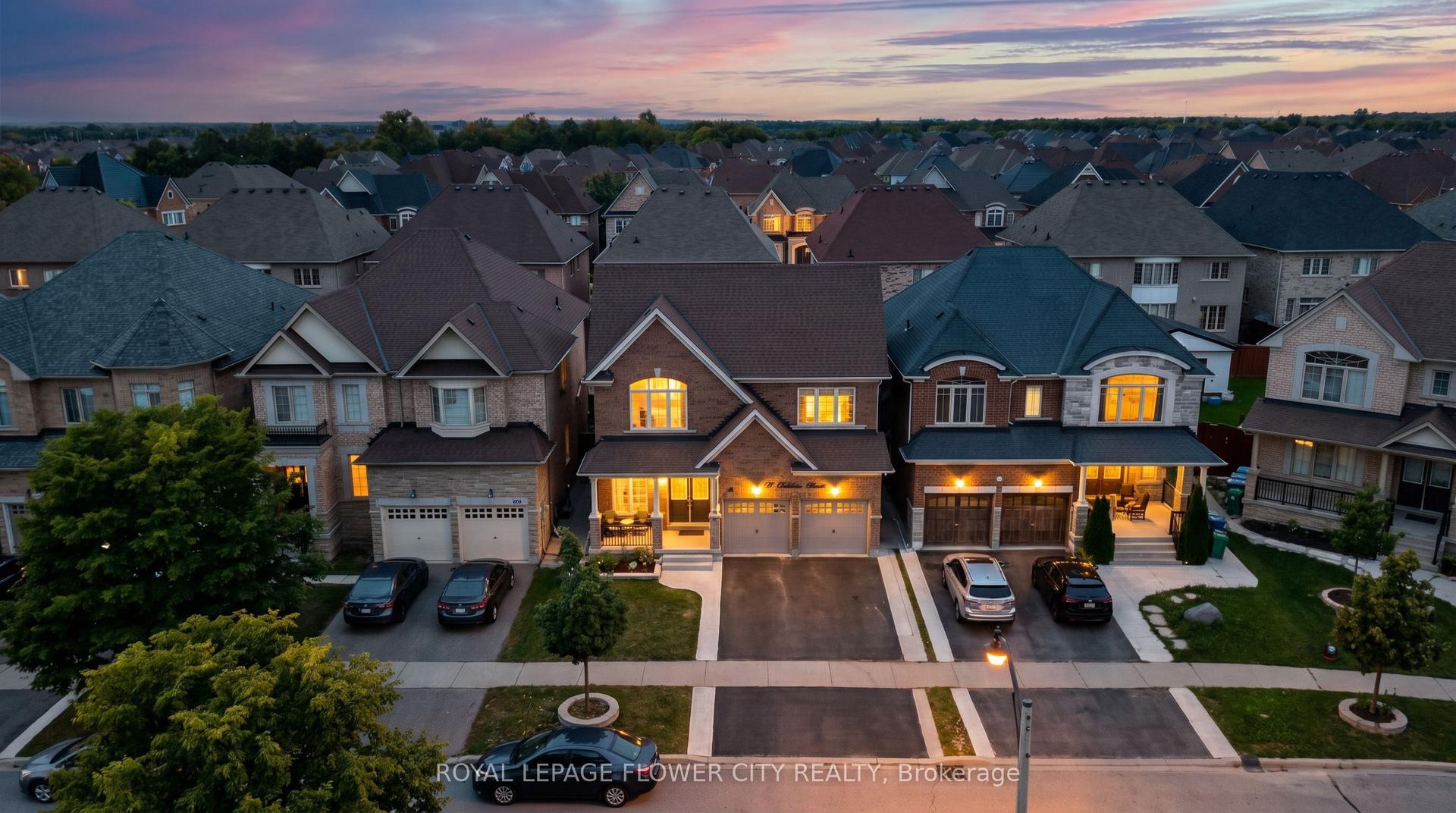
36 active MLS listings, $1.5M and up. Updated every 15 minutes.
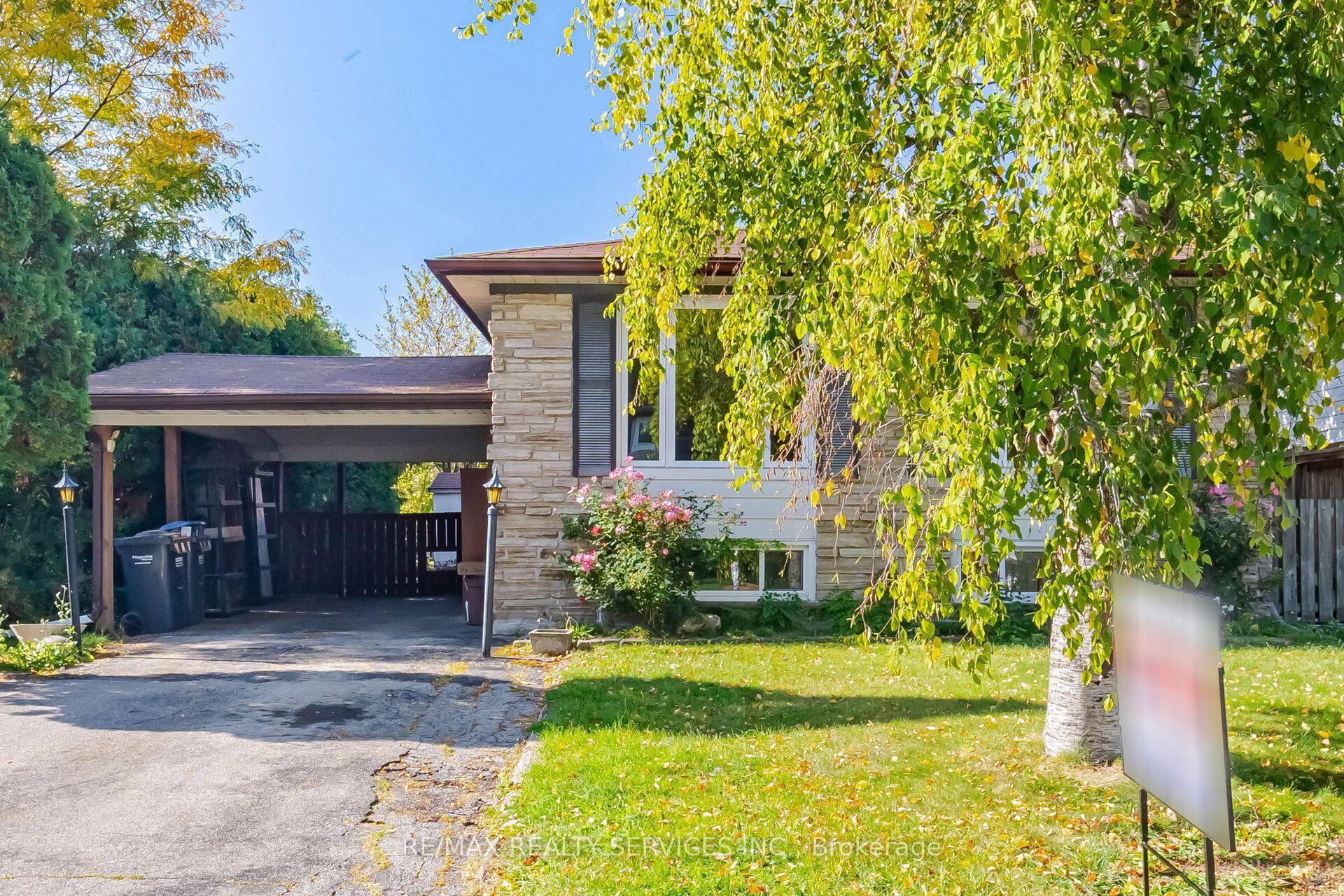
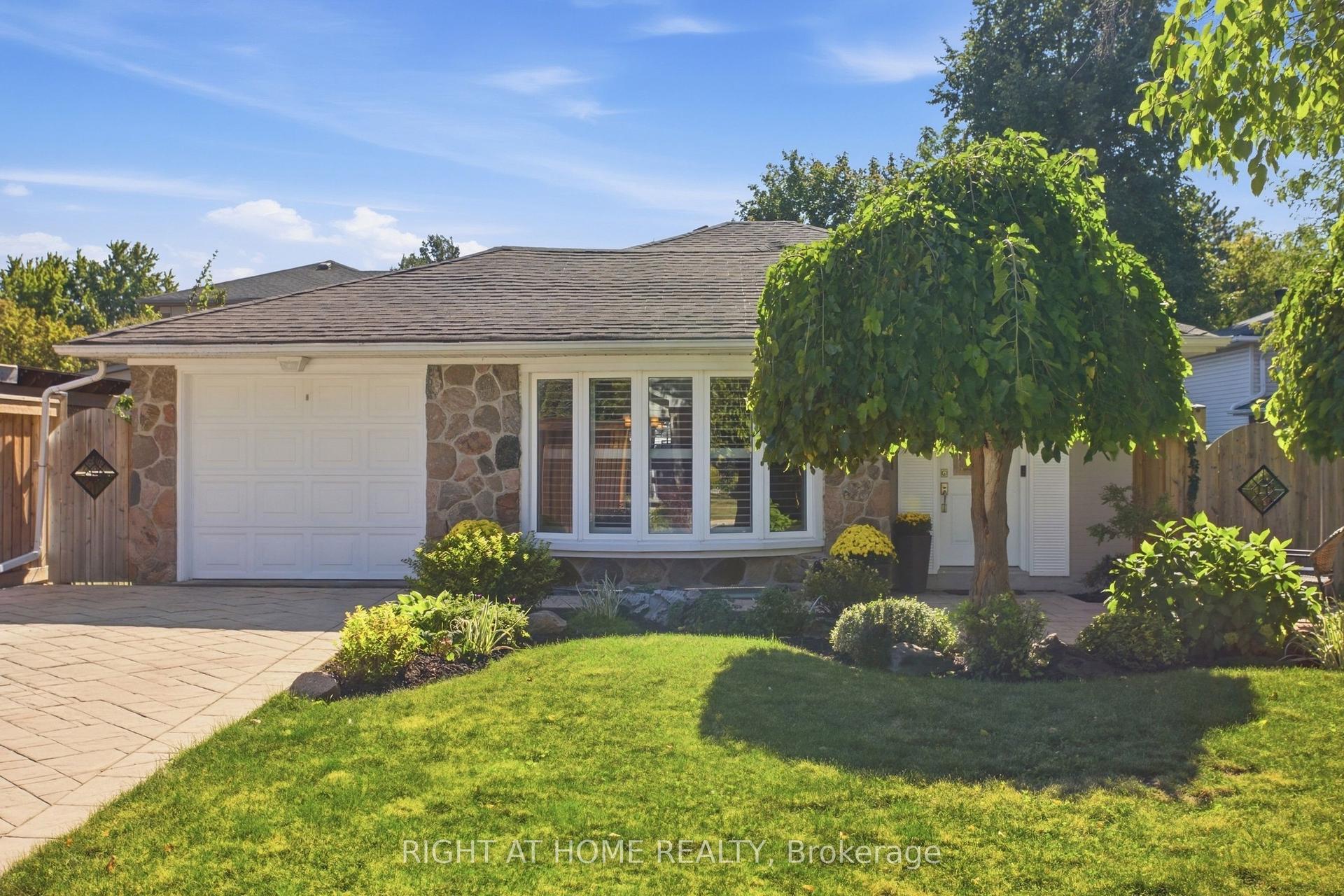
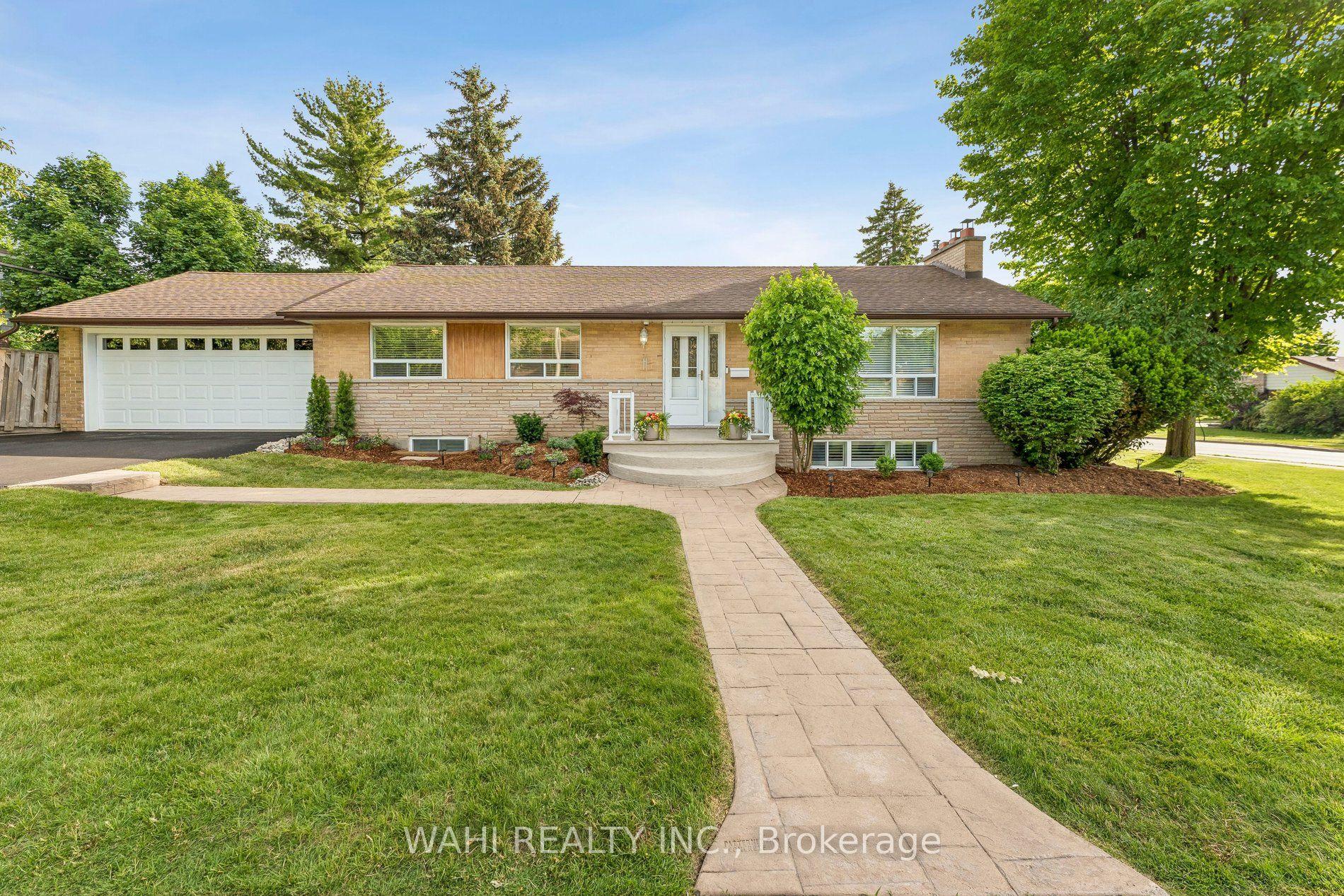
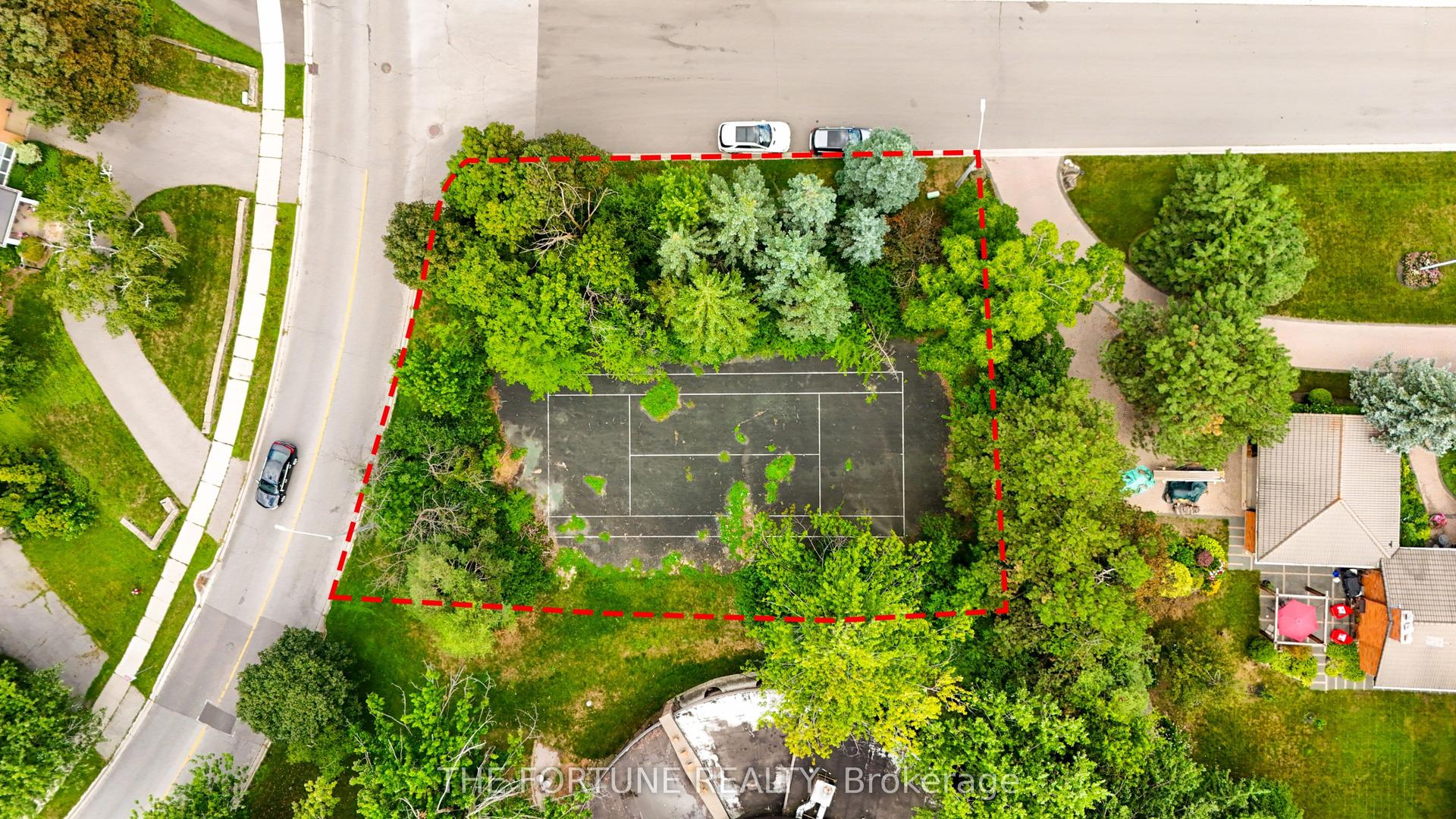
Reading the pockets of Brampton East
The district is not uniform. Closer to downtown and Queen Street East you find the oldest fabric — smaller-footprint homes on some of the widest lots, where the buyer is often a renovator or a builder eyeing an addition. Push east toward the Bramalea boundary and the stock shifts to the neat 1970s subdivision pattern of back-splits and two-storeys, tidier and more move-in-ready, with the crescents and cul-de-sacs that Bramalea's planned-section layout is known for.
Who lands here tends to fall into two camps. First, value-minded families who want a real lot and a central address, and are comfortable updating an older kitchen over time rather than paying the premium for new. Second, downsizers and multi-generational households drawn to the single-level bungalow stock — rare and increasingly sought-after across the GTA. Both are betting on land and location holding value while the house is brought up to date on their own timeline.
Brampton East — frequently asked
What kind of homes make up Brampton East?
Predominantly detached homes from the 1960s through the 1980s — brick bungalows, raised ranches, and side-split and back-split layouts on wide, mature lots, with scattered semis, townhomes and newer infill. It is an established, grown-in district rather than a new-build corner, which is why renovators and buyers who value lot size gravitate here.
How is the commute from Brampton East?
Central and flexible. The downtown Brampton GO station on the Kitchener line and the Züm bus rapid transit routes along Queen Street give transit commuters a genuine car-free option toward Union and across the region. By car, Highway 410 is a short drive west for the run south to the 401 and 407, and the airport-and-Vaughan employment cluster is reachable without crossing the whole city.
Why do buyers choose Brampton East over a newer subdivision?
Lot size, canopy, and central location. Established east-central streets offer wider lots and mature trees that a fresh subdivision simply cannot replicate for years, and the address sits between the downtown core and Bramalea rather than out on the urban edge. The trade-off is older housing stock — buyers here typically plan to update over time, treating the purchase as land plus a home they'll bring current.
How does Brampton East compare to the Bramalea sections next door?
Brampton East is the older, less formally planned ground between the heritage downtown and Bramalea's lettered grid — its streets grew in through the 1960s–80s rather than being drafted section by section. Right beside it, the Bramalea neighbourhoods (Central Park, Northgate, Southgate) carry the looped-crescent layout with schools and plazas built into the plan and Chinguacousy Park at their centre. Brampton East trades that master-planned tidiness for some of the widest older lots in the east end — the reason renovators and addition-builders gravitate here.
Is Brampton East a good fit for a single-level or multi-generational home?
It is one of the better places in the city to look. The 1960s–1980s build era left a real supply of bungalows and back-splits — layouts that suit downsizers wanting one level and multi-generational households needing separate living zones. Because that stock is finite and in demand across the GTA, it holds value well. To gauge what a specific home is worth in today's market, run it through the home valuation tool, and use the land transfer tax calculator to size the full closing cost before you offer.
Nearby markets
Browse every Brampton neighbourhood in one search.
Heritage core immediately west — Brampton GO and Rose Theatre walkable.
Mature north-central streets built around the conservation area.
East-side family corridor with newer stock, north of here.
Upscale established detached on larger lots across the east side.
Newer master-planned corner on the Gore Road, further north-east.
Entry-level family neighbourhood on the city's north-west side.
Looking for homes in Brampton East?
Get notified when new listings hit the market. One email when something good shows up in Brampton East — no spam, unsubscribe any time.
We’ll send a confirmation email first (CASL). No third-party marketing — unsubscribe in one click from any alert.